
Resources for International Students Navigating US Education
Find the best resources for international students navigating the US education system, from campus offices to scholarships and career support.

By Sasha Rublev
Starting your academic journey in the United States can feel like standing at the base of a mountain without a map. You have big goals, plenty of motivation, and a suitcase full of dreams, but the path forward is cluttered with visa forms, unfamiliar deadlines, and a system that works differently from the one you grew up with. The good news is that you do not have to figure it out alone. A wide network of resources for international students navigating the US education system exists, and knowing where to look can turn a confusing process into a manageable one.
Start With Your School's International Student Office
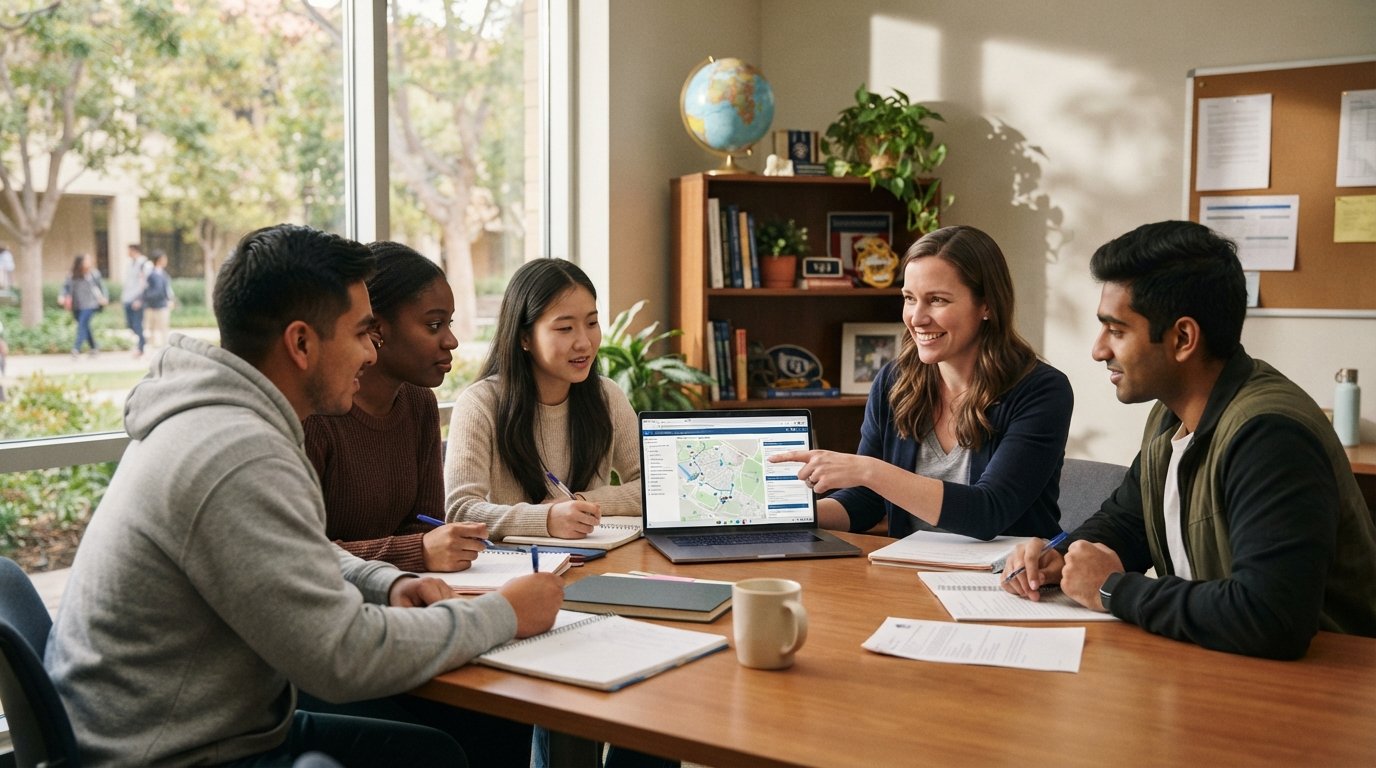
The single most valuable resource on this list is often the one already waiting for you on campus. Almost every accredited US college and university operates an international student services office, sometimes called the Office of International Programs or the Center for Global Education. These offices exist specifically to help students like you, and their services are usually included in your tuition and fees. That means you are not paying extra to use them.
What can they actually do for you? A lot more than most new students realize. On the academic side, they can help you understand course registration, explain how credits transfer, and connect you with tutoring or writing centers. On the immigration side, they guide you through maintaining your F-1 or J-1 status, explain work authorization rules, and process travel signatures. On the personal side, they often run orientation programs, cultural adjustment workshops, and social events where you can meet other international students.
Make an appointment during your first month, even if you think you do not need help yet. Building a relationship with an international student advisor early means you have someone to turn to when a problem arises later. Ask them about:
- Upcoming deadlines for visa status reporting and travel signatures
- On-campus employment options and how to apply
- Workshops on cultural adjustment and American classroom expectations
- Peer mentor programs that pair new students with experienced ones
These offices also maintain lists of community resources, such as local banks that understand international banking, housing leads, and even families who host students for holiday meals. Do not treat them as a last resort. Treat them as your first stop.
Use Government and Nonprofit Guides to Understand the Rules
Immigration regulations in the United States are detailed and can change. Relying on rumors from friends or outdated forum posts is risky. Instead, go straight to official sources when you need accurate information about your legal status and obligations.
The Student and Exchange Visitor Program (SEVP), which is part of US Immigration and Customs Enforcement, publishes guidance specifically for F and M visa holders. Their website explains what maintaining status means, how to handle a reduced course load, and what to do if you need to transfer schools. Study in the States, a government initiative, offers step-by-step guides on topics like applying for a Social Security number, filing taxes as a nonresident, and understanding health insurance requirements.
Nonprofit organizations also fill important gaps. NAFSA: Association of International Educators provides resources for advisors, but many of their public guides are useful for students too. The Institute of International Education (IIE) publishes data and advice on studying in the US, including scholarship listings. These organizations are not selling you anything, so their information tends to be neutral and reliable.
One practical habit: bookmark the official pages for your specific visa type and check them before you act on any major decision, such as dropping a class, changing majors, or accepting an off-campus internship. A quick check can save you months of stress.
Find Scholarships and Financial Aid Beyond the Basics
Paying for a US education is one of the biggest concerns for international students, and with good reason. Tuition and living costs can be high, and many federal aid programs are reserved for US citizens and permanent residents. However, that does not mean there is no money available. It means you need to look in different places.
Start with your university's financial aid office and your academic department. Many schools offer merit-based scholarships specifically for international undergraduates or graduate students. These awards may be automatic based on your application, or they may require a separate essay or nomination. Ask your admissions counselor directly: What scholarships am I eligible for as an international student, and what is the application process?
Outside organizations also offer funding. The Fulbright Foreign Student Program, for example, brings graduate students from many countries to the US. EducationUSA, a network supported by the US Department of State, operates advising centers around the world where you can get free guidance on funding your studies. Private foundations, professional associations, and even some employers back home may sponsor students in specific fields.
Be cautious of any scholarship service that charges a fee to find awards for you. Legitimate search tools like the ones maintained by IIE or EducationUSA are free. Also, watch out for scams that ask for your visa or bank details upfront. A real scholarship never requires payment to apply.
Tap Into Community and Peer Networks
Academic success is not just about paperwork and money. It is also about feeling connected. International students who build strong social networks tend to adjust faster and report higher satisfaction with their US experience. Fortunately, there are many ways to find your people.
Student organizations are a great starting point. Most campuses have an International Student Association, as well as clubs based on nationality, language, or shared interests. These groups host events, share advice, and often maintain informal networks of alumni who can answer questions about internships, housing, and life in the US. If your school does not have a club for your country, consider starting one. It is a leadership opportunity and a way to build community at the same time.
Online communities can supplement what you find on campus. Reddit has active subreddits for international students in the US, where people share experiences about visa interviews, campus life, and job searches. Facebook groups for students from your country studying in the US can be helpful for finding roommates or selling furniture when you move. Just remember that online advice is not official. Use it for moral support and practical tips, but verify anything related to immigration with your international student advisor.
Do not overlook local community organizations either. Churches, temples, mosques, and community centers often welcome international students and may offer conversation partners, host family programs, or free meals. These connections can make a new city feel like home.
Plan Your Career With Dedicated Support Services
Eventually, most international students start thinking about what comes after graduation. Whether you want to work in the US for a few years or return home with new skills, career planning should begin early. Many universities have career centers that offer services tailored to international students, though you may need to ask specifically.
Career counselors can help you translate your resume into a US format, practice for interviews, and understand which employers are open to sponsoring work visas. They can also connect you with alumni who have walked the same path. If your school does not have a dedicated international career advisor, ask the international student office and the career center to coordinate on your behalf. You are not being demanding. You are being proactive.
For students who want to explore program options before committing, or who are still deciding between online and on-campus formats, a college matching service can simplify the research process. Platforms like HigherEducationAdvisor allow you to compare sponsored programs by subject, degree level, and state, then request information directly from schools that interest you. This can be especially useful if you are outside the US and cannot visit campuses in person. You can also use the TopStudents.com matching tool to explore programs by field of study or location and connect with schools that fit your goals, with no obligation to apply.
Keep in mind that work authorization rules differ depending on your visa type and your field of study. Optional Practical Training (OPT) and Curricular Practical Training (CPT) allow F-1 students to gain work experience, but the rules are specific. Always confirm your plans with your international student advisor before accepting any job or internship, even an unpaid one.
Prepare for Health, Housing, and Daily Life
The practical details of daily life can catch international students off guard. Health insurance, for example, is often mandatory for international students in the US, but understanding what your plan covers and how to use it takes some effort. Most universities offer a student health insurance plan that meets visa requirements. Read the policy carefully, and ask questions at the health center if something is unclear. Knowing which clinics accept your insurance and where to go for non-emergency care can save you money and stress.
Housing is another area where early planning pays off. On-campus dorms are convenient for first-year students and can be a great way to make friends. Off-campus apartments may be cheaper but often require a US credit history or a co-signer, which can be a barrier for international students. Talk to your international student office about housing resources and whether the school offers any help with leases or deposits.
Finally, do not underestimate the importance of understanding American classroom culture. Participation, group projects, and asking questions in class are often expected in US classrooms, even if they were not part of your previous education. Your international student office or academic advisor can explain these expectations and connect you with workshops on topics like academic integrity, citation styles, and effective communication with professors.
Build Your Own Resource Toolkit
Navigating the US education system as an international student is a skill, and like any skill, it improves with practice. The students who thrive are not necessarily the ones with the most money or the best English. They are the ones who ask questions, use the resources available to them, and build a support network early.
Start with your campus international office. Add official government and nonprofit guides for immigration and funding questions. Lean on peer communities for encouragement and practical tips. Use career services to plan your next steps, and take care of your health and housing needs before they become emergencies. For help finding the right program in the first place, consider using a matching service like TopStudents.com to compare options and request information from schools that align with your goals.
You do not have to know everything on day one. You just need to know where to look, and now you do.